
Industry Analysis: How Green Building Compliance Standards Modify Sourcing Benchmarks for Southeast Asia Contractors
📊 1. The Macro Shift: Decoding the Core Directives of Green Building Compliance
Across global construction markets, sustainability is no longer a branding advantage—it is a mandatory regulatory filter. In Southeast Asia, governments and municipal authorities are progressively tightening environmental certification systems such as low-VOC material thresholds, recyclable content ratios, and formaldehyde emission limits.
From an industry analyst perspective, this shift is driven by three macro forces:
First, rapid urban expansion in commercial infrastructure has increased demand for safer indoor air quality standards, especially in high-traffic public restroom systems such as malls, airports, and transit hubs. Second, international investment funds are now requiring ESG-aligned construction compliance before approving large-scale developments. Third, local inspection bodies are increasing enforcement frequency, reducing tolerance for outdated material systems.
The cost of ignoring this shift is no longer theoretical. Contractors relying on legacy materials—such as low-density particle boards, untreated steel fittings, or non-certified laminates—are now facing higher rejection rates during final inspection stages. This leads to rework cycles, delayed project handovers, and substantial financial penalties tied to compliance failure.
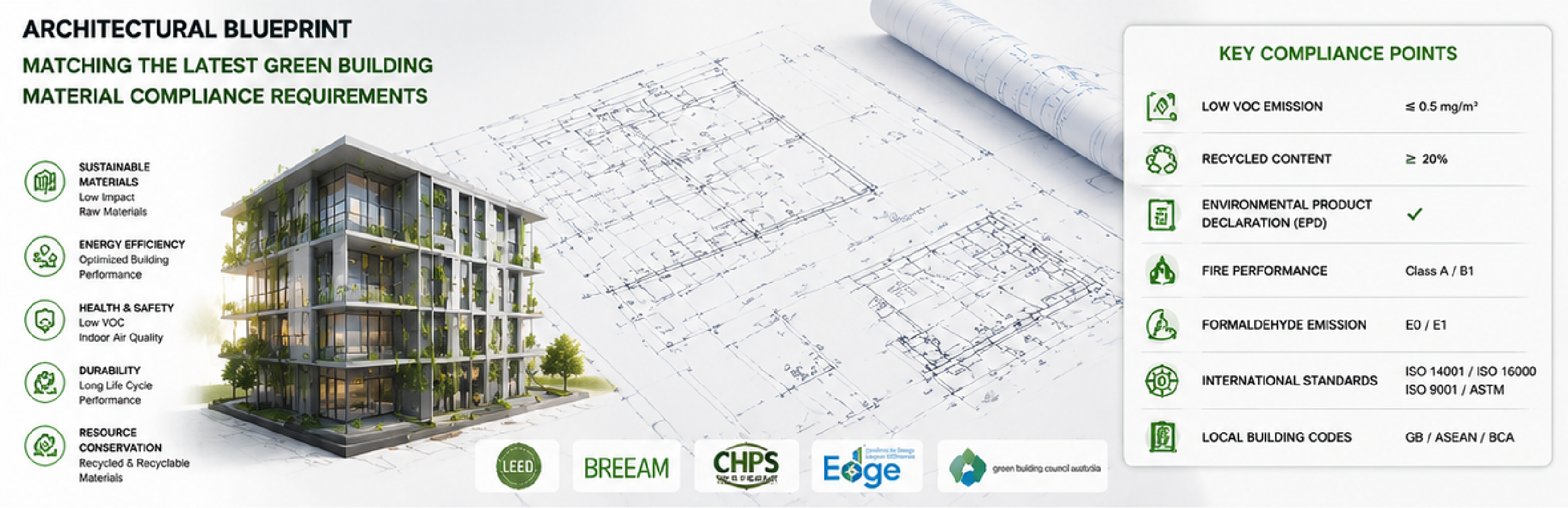
⚙️ 2. Engineering Implications: The Direct Link to Inspection Failure Risk
The tightening of green building standards creates a direct technical conflict with traditional restroom partition systems.
For example, conventional wood-based panels often contain unstable resin binders that exceed acceptable VOC emission thresholds. Under humid and high-usage environments common in commercial restrooms, these materials degrade faster, releasing additional airborne compounds that trigger inspection rejection.
Similarly, outdated metal hardware systems lacking corrosion resistance coatings tend to fail durability tests under accelerated humidity simulation cycles. This becomes a critical failure point during government compliance audits.
The engineering reality is clear: the stricter the environmental code, the narrower the tolerance window for material inconsistency. Even minor deviations in thickness uniformity, adhesive composition, or surface sealing quality can lead to full system rejection.
In short, the architectural pain point—Risk of failing local building inspections—is no longer caused by design flaws alone, but by material non-compliance at the microscopic manufacturing level.
🏭 3. Strategic Adaptation: How Forward-Thinking Manufacturers Respond
As a 24-year source factory, our engineering strategy has been aligned with this regulatory shift long before it became a global enforcement trend.
We have transitioned fully toward:
- High-density HPL compact laminate systems with certified low-VOC emission structure
- Aluminum honeycomb modular partition frameworks designed for zero water absorption
- Precision-engineered 304 stainless steel anti-corrosion hardware systems
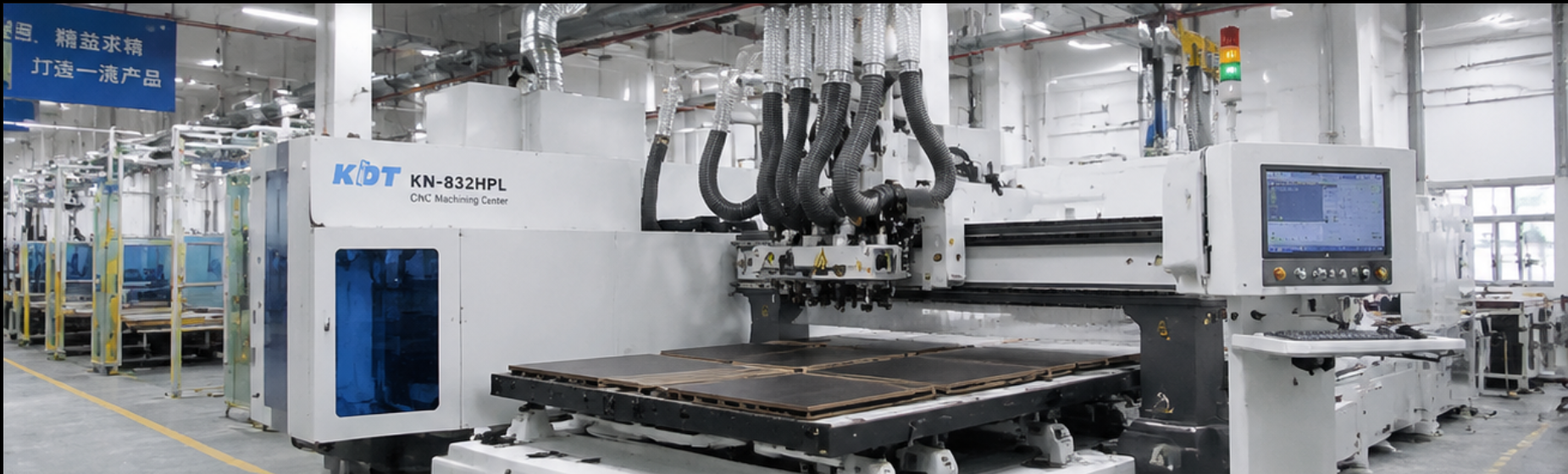
- Factory-prefabricated CNC-cut modular panels for consistent compliance output
These systems are not simply product upgrades—they are engineered compliance tools designed to pass increasingly strict inspection frameworks without onsite modification.
By integrating digital CAD verification, CNC tolerance control, and batch-level emission testing, our production chain ensures every partition system aligns with evolving green building requirements before leaving the factory floor.
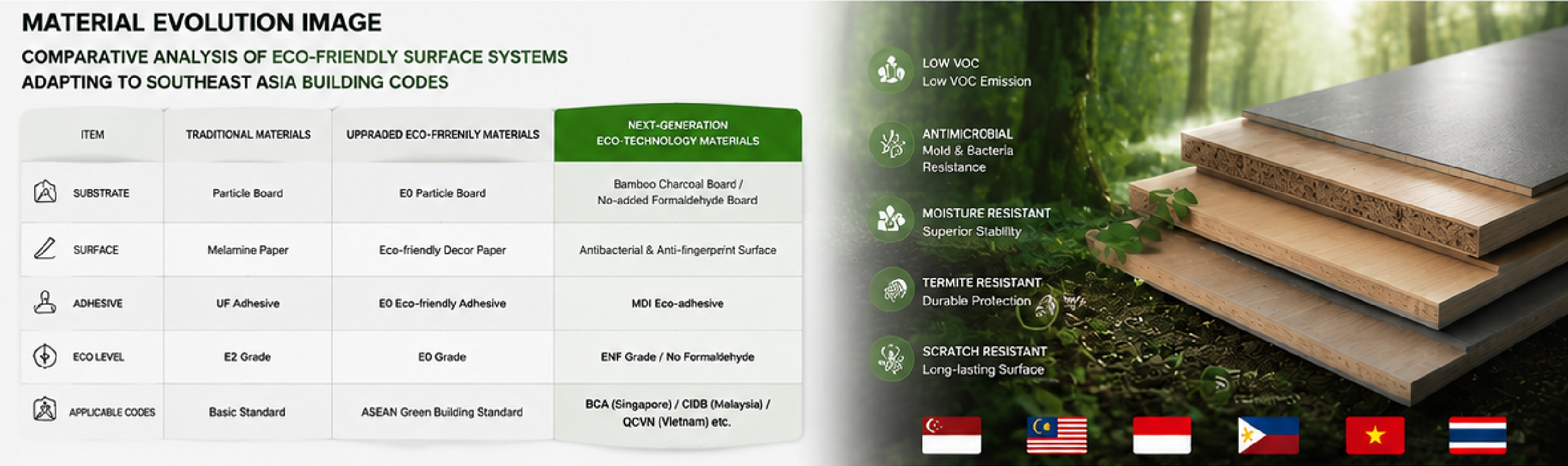
📐 4. Technical Compliance Matrix: Old Sourcing vs Next-Gen Standards
| Compliance & Performance Criteria | Legacy Material Sourcing | Next-Gen Standard (Green Compliance Era) |
|---|---|---|
| VOC Emission Control | Often exceeds regulatory limits | Zero-VOC certified laminate systems |
| Moisture Resistance | Swelling rate up to 12–18% | <2% dimensional stability under humidity |
| Structural Durability | Prone to deformation in high traffic | Reinforced honeycomb composite core |
| Fire Safety Rating | Inconsistent or uncertified | Class A/B certified fire-retardant systems |
| Surface Lifecycle | 2–3 years average lifespan | 10+ years industrial-grade durability |
| Inspection Approval Rate | High risk of rejection | Optimized for compliance-first acceptance |
🌍 5. Conclusion: Future-Proofing Your Next Infrastructure Project in Southeast Asia
As construction standards continue to evolve, procurement strategies must shift from price-based sourcing to compliance-driven engineering validation. In markets such as Southeast Asia, green building enforcement is becoming the defining factor in project approval success.
Contractors who continue relying on outdated material systems will face increasing inspection friction, delayed approvals, and rising lifecycle maintenance costs. In contrast, adopting fully compliant modular systems ensures predictable approval outcomes and long-term operational stability.
The future of commercial restroom infrastructure is no longer defined by aesthetics alone—but by measurable environmental compliance and factory-level engineering precision.
📌 Align Your Upcoming Project Specifications with Global Standards
Navigating complex building codes and regional compliance directives like green building material standards requires early structural integration. If you are preparing technical specifications or tender documents for upcoming projects in Southeast Asia, you may sync with our engineering consultants to cross-verify your material eligibility.
- Specification Assessment Email: mrsalucyd@gmail.com
- Technical Standard Coordination WhatsApp: +86 18816860474