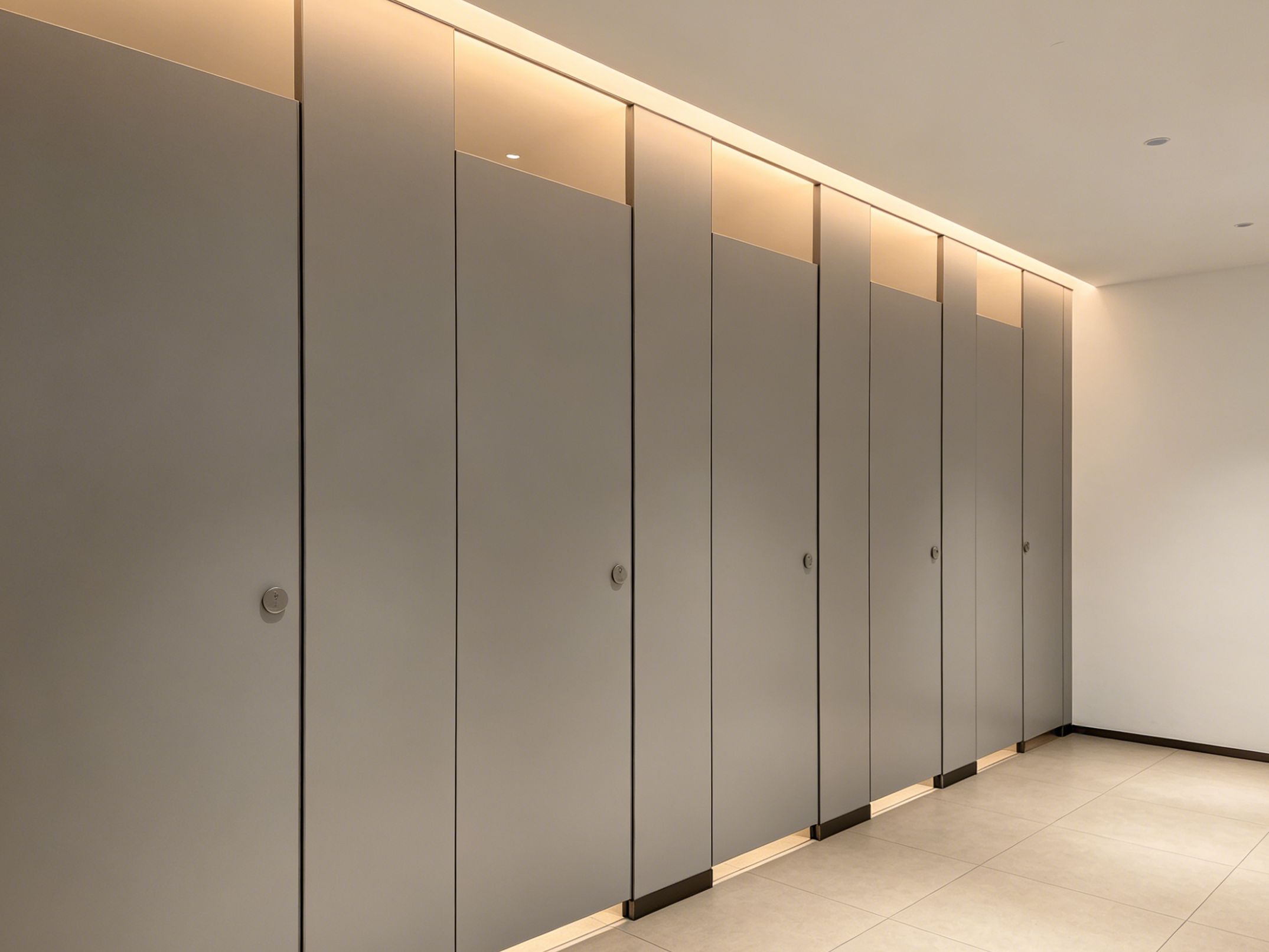
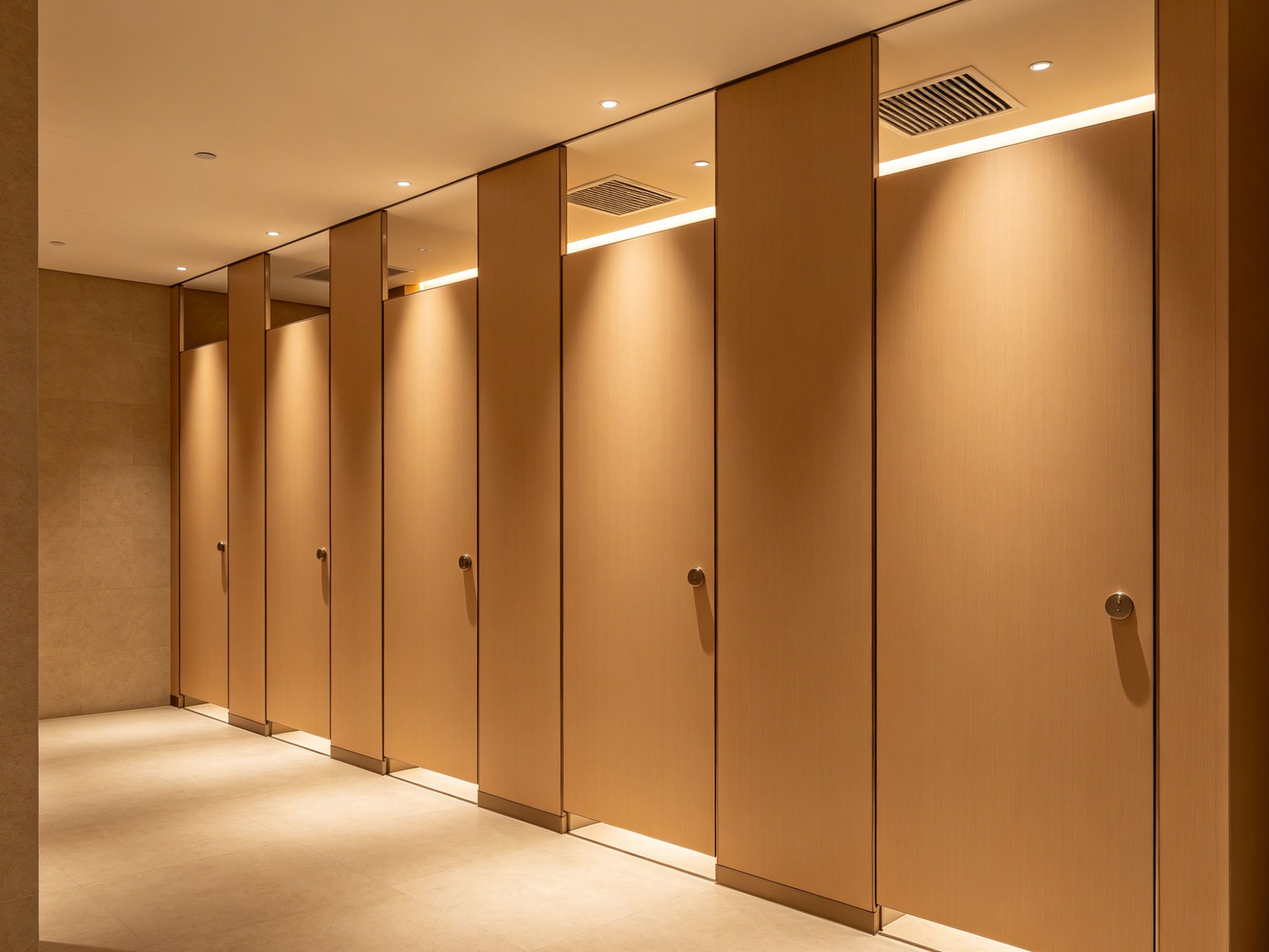
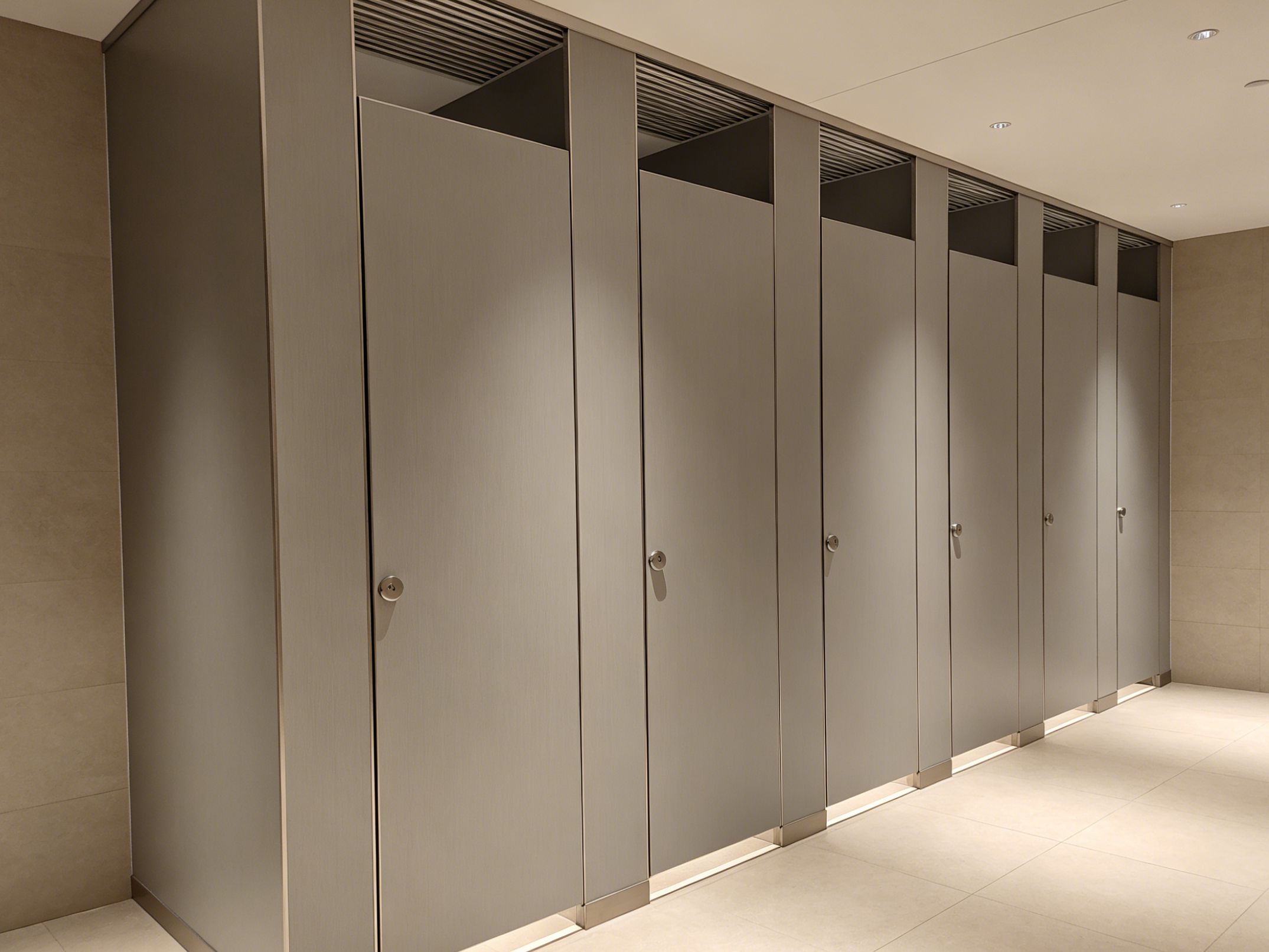
HPL Toilet Partitions Sourcing Guide: How to Screen Quality
Establishing the Standard for Premium HPL Toilet Partitions
When evaluating tenders for modern architectural developments in the Philippines, screening the quality of your HPL toilet partitions is a critical step for project success. For project procurement managers and commercial contractors, selecting a manufacturer based only on the lowest price often creates serious problems after installation. In high-traffic environments such as commercial airports and transit hubs, poor material choices quickly lead to visible defects, passenger complaints, and increased maintenance pressure.
Therefore, establishing a strict evaluation checklist is essential for protecting construction budgets and long-term facility performance. This sourcing guide explains the key technical standards required to distinguish premium partition systems from low-quality alternatives.
By understanding these industrial benchmarks, procurement teams can select solutions with better durability, operational reliability, and compliance with demanding commercial applications.
3 Critical Screening Standards for HPL Toilet Partitions
1. Material Core Integrity and Core Density and Compression Strength
The structural performance of any commercial partition system depends heavily on its internal material composition and its ability to withstand continuous physical pressure. Premium HPL toilet partitions use high-density core structures designed to maintain panel stability under intensive daily use.
When reviewing technical specifications, buyers should pay close attention to core density and compression strength ratings. Strong internal construction helps prevent panel bending, warping, and delamination caused by frequent impact, vibration, or long-term loading.
For airports and transit facilities operating around the clock, selecting panels with reliable structural strength is essential for maintaining restroom performance over many years.
2. Environmental Shielding and Moisture Proof and Anti-Corrosion Grading
Commercial restrooms in airports and transportation hubs experience constant humidity, frequent cleaning cycles, and exposure to chemical cleaning products. These conditions require partition materials with excellent moisture resistance and corrosion protection.
A reliable HPL toilet partition system should include verified moisture-proof performance and effective edge protection to prevent internal damage. Proper sealing technology helps reduce risks such as swelling, surface deterioration, and hidden moisture penetration.
For facilities in the Philippines' tropical climate, choosing materials with suitable environmental resistance is critical for maintaining hygiene standards and reducing future repair requirements.

3. System Integration and Structural Hardware Compatibility
A partition panel can only achieve maximum durability when combined with properly engineered hardware systems. During the sourcing process, buyers should evaluate whether the panels are compatible with high-quality hinges, brackets, and support structures.
Professional-grade hardware ensures better weight distribution, smoother door operation, and improved overall stability. This prevents common problems such as loose fittings, uneven doors, and panel sagging after long-term operation.
For large-scale transportation projects, hardware compatibility is a key factor in achieving reliable restroom performance.
Expensive Pitfalls: Why Avoiding Cheap Solid Plastic Dividers or Thin Steel Stalls Saves Money
Many procurement teams choose cheap solid plastic dividers or thin steel stalls during the initial bidding stage because of lower upfront costs. However, these alternatives often lack the structural performance required for demanding environments like modern airports and transit hubs.
Within a short period after project completion, low-quality systems may experience loose hardware connections, surface damage, rust issues, and alignment failures. These problems create additional maintenance work and negatively affect the user experience.
These predictable failures increase excessive maintenance costs, panel sagging, and rust corrosion problems, eliminating the initial savings achieved during purchasing. By screening out low-performance options during the design stage, contractors can reduce project risks and protect their reputation.
Investing in professionally engineered partition systems provides better long-term value for commercial infrastructure projects.
Finalizing Specifications for Philippines Compliance
Before confirming a manufacturing agreement, procurement teams should verify that product specifications match project requirements and local construction expectations. Choosing a supplier with complete customization capabilities allows partition dimensions, finishes, and configurations to match architectural drawings accurately.
Early technical verification helps prevent costly modifications, material waste, and installation delays during construction.
To further improve your procurement process, you can explore our solutions for custom commercial toilet partitions to understand available configurations for large-scale projects. In addition, reviewing our toilet partition installation guide helps installation teams prepare proper procedures and avoid structural issues during site work.
People Also Ask (FAQ)
Q1: How do we test the quality of HPL toilet partitions before bulk purchasing?
Before bulk orders, buyers should request physical samples and technical documents covering impact resistance, moisture resistance, fire performance, and core density values. These materials help procurement teams compare suppliers more accurately.
Q2: Why are standard retail partitions unsuitable for high-traffic commercial airports and transit hubs?
Standard retail partitions are usually designed for lighter usage environments. They often cannot handle continuous public traffic and may develop issues such as excessive maintenance costs, panel sagging, and rust corrosion.
Q3: Can customized HPL toilet partitions meet strict building requirements in the Philippines?
Yes. Professional manufacturers can customize panel specifications, hardware systems, and finishes according to project drawings and performance requirements, helping commercial projects meet durability and design expectations.
Optimize Your Sourcing Matrix with Certified Solutions
Looking to reduce long-term maintenance risks and improve restroom performance for upcoming commercial bids? Our engineering team can provide technical specifications, material samples, and customized solutions to help you evaluate the right HPL toilet partitions for your project requirements.
Project Specification & Engineering Support
Choosing the right HPL toilet partitions requires accurate technical evaluation before procurement. If you are preparing specifications, tender documents, or project plans in the Philippines, our engineering team can help review your requirements and recommend suitable solutions.
- Specification Review Email: mrsalufcs@gmail.com
(Submit your drawings, BOQ, or material specifications for technical evaluation.) - Engineering Consultation WhatsApp: +86 13413241494
(Discuss specifications, customization options, installation requirements, and project details.)
HPL Toilet Partitions vs Standard Plastic Stalls | Specs Guide
HPL Toilet Partitions for Philippines Projects: The Architectural Guide