HPL Locker Installation Guide for Philippines Projects
HPL Locker Installation Guide for Philippines Projects
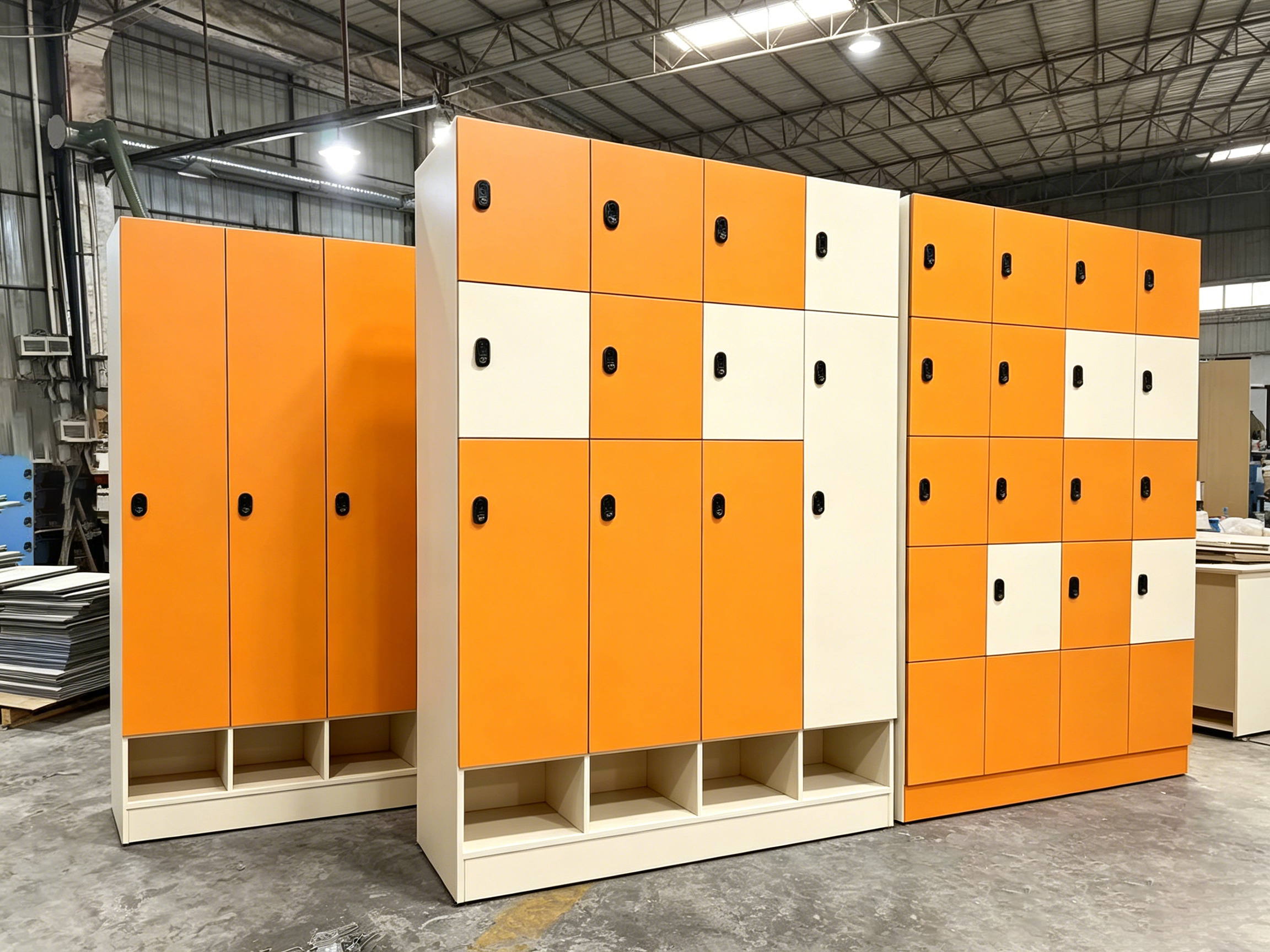
Proper installation plays an important role in the long-term performance of commercial storage systems. For contractors, architects, and distributors in the Philippines, understanding the HPL locker installation process helps reduce project delays, improve quality control, and ensure reliable daily operation.
HPL lockers are widely used in schools, offices, hospitals, gyms, sports facilities, and industrial buildings. However, even high-quality products require correct planning and installation to achieve the expected durability and appearance.
This guide explains the main steps and considerations for successful HPL locker installation.
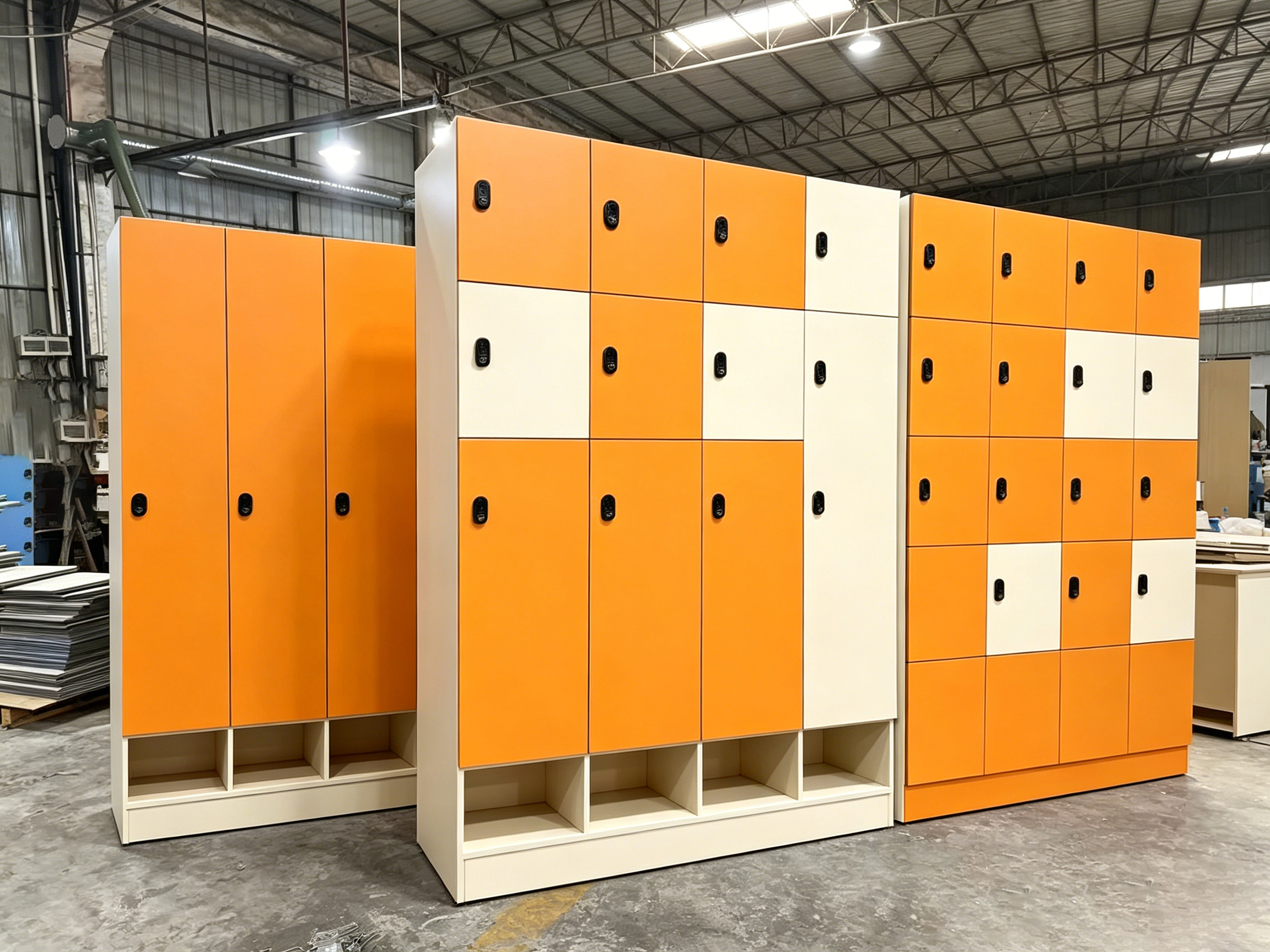
Step 1: Confirm Project Requirements Before Installation
Before installation begins, project teams should confirm all technical requirements.
Important information includes:
- Locker quantity
- Installation location
- Room dimensions
- Locker layout
- Door opening direction
- Lock system requirements
- Wall and floor conditions
Early coordination between the supplier, contractor, and installation team helps prevent mistakes during construction.
For large commercial projects, reviewing drawings and specifications before production can significantly improve installation efficiency.
Step 2: Prepare the Installation Area
A suitable installation environment is essential for achieving accurate results.
Before installing HPL lockers, contractors should check:
- Floor levelness
- Wall conditions
- Available installation space
- Electrical requirements for smart locks
- Access conditions for materials
An uneven floor or incorrect measurements may affect locker alignment and final appearance.
Proper preparation reduces adjustment work and helps installers complete projects faster.
Step 3: Check Locker Components and Accessories
Before installation, all locker components should be inspected.
A complete HPL locker system may include:
- Locker panels
- Doors
- Shelves
- Side panels
- Back panels
- Hinges
- Locks
- Connecting hardware
Checking all components before installation helps identify missing parts and avoids unnecessary delays.
For international projects, professional packaging and accurate component labeling are especially important.
Step 4: Install According to Layout Drawings
Commercial locker projects often require customized layouts.
Installers should follow approved drawings to ensure:
- Correct locker positioning
- Proper spacing
- Consistent appearance
- Accurate door operation
Professional manufacturers can provide technical documents and installation guidance to support contractors during the construction process.
For complex projects, CAD review before production can help identify potential installation issues in advance.
Step 5: Test Function and Quality After Installation
After installation is completed, the locker system should be carefully inspected.
The inspection process should include:
- Door opening and closing
- Lock operation
- Panel alignment
- Hardware stability
- Surface condition
A final quality check ensures the installed lockers meet project requirements before handover.
Common HPL Locker Installation Problems
Some common installation problems include:
Incorrect Measurements
Wrong measurements can cause gaps, alignment problems, or unsuitable locker placement.
Poor Hardware Installation
Improper installation of hinges or locks may affect daily operation.
Lack of Project Coordination
Without communication between supplier and installer, customization details may be misunderstood.
Working with an experienced manufacturer helps reduce these risks.
Why Professional Installation Support Matters
For commercial projects, installation quality directly affects product performance.
A reliable supplier can support buyers through:
- Technical consultation
- Installation guidance
- Drawing confirmation
- Product specification support
This is especially valuable for overseas projects where contractors may need additional technical communication.
Frequently Asked Questions
Can HPL lockers be installed in existing buildings?
Yes. HPL lockers can be installed in both new construction projects and renovation projects after confirming site conditions.
Do HPL lockers require special installation tools?
Professional installation requires standard construction tools and proper hardware handling according to project requirements.
Can suppliers provide installation guidance?
Yes. Experienced manufacturers can provide technical documents, drawings, and installation support.
Should locker layouts be confirmed before production?
Yes. Confirming layouts before production helps avoid installation problems and ensures accurate customization.
Conclusion
A successful HPL locker installation requires careful planning, accurate measurements, and proper coordination between suppliers and project teams.
For contractors, architects, and distributors in the Philippines, choosing a manufacturer that provides technical support can help improve installation efficiency and reduce project risks.
With proper installation, HPL lockers can provide durable, attractive, and low-maintenance storage solutions for commercial facilities.
Project Planning & Engineering Support
Need HPL locker solutions for your commercial project in the Philippines? Our engineering team supports contractors, architects, and distributors with customized designs, CAD review, and factory production coordination.
- CAD & Specification Review: mrsalufcs@gmail.com
(Submit your drawings or BOQ for project evaluation.) - Technical Consultation: +86 13413241494
(Discuss locker customization, materials, and project requirements.)
Custom HPL Lockers for Philippines Commercial Projects
HPL Lockers Price in Philippines: B2B Buying Guide