HPL Locker Materials Guide for Philippines Projects
HPL Locker Materials for Philippines Commercial Projects
Choosing the right HPL locker materials is an important step for contractors, architects, and distributors working on commercial projects in the Philippines. Material quality directly affects moisture resistance, durability, appearance, maintenance, and service life.
HPL lockers are used in demanding environments where storage systems must withstand frequent daily use and regular cleaning. Understanding the main material specifications helps project buyers select suitable products instead of comparing suppliers only by price.
What Materials Are Used in HPL Lockers?
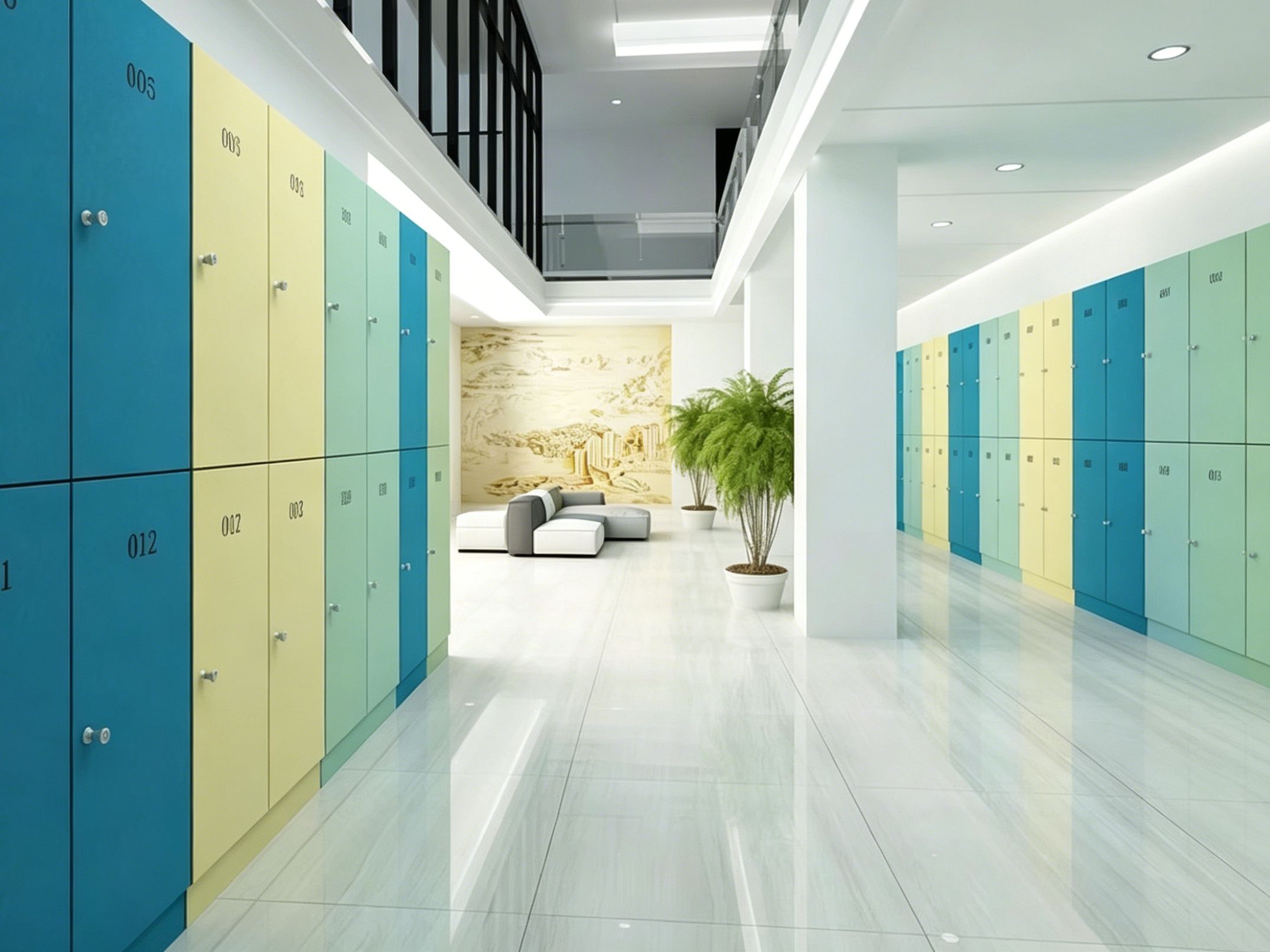
A commercial HPL locker is more than a decorative surface. The panel structure, HPL surface, edge treatment, hardware, and internal configuration all contribute to overall performance.
When evaluating suppliers, buyers should check:
- HPL surface quality
- Panel thickness
- Structural construction
- Edge finishing
- Hardware quality
- Lock system
- Moisture resistance
These specifications should match the intended application and expected usage level.
Moisture Resistance Matters in the Philippines
The Philippines has a tropical climate, making moisture resistance an important consideration for commercial storage products.
Locker systems may also be installed near showers, swimming pools, cleaning areas, and changing rooms. Materials that are not designed for humid conditions can experience swelling, deformation, or surface deterioration.
Quality HPL locker materials provide strong resistance to moisture and help maintain stable performance in demanding environments.
Panel Thickness and Structural Durability
Panel thickness is another specification buyers should consider.
Thicker or stronger panels can provide improved structural stability for high-use applications. However, the ideal specification depends on locker size, configuration, installation method, and project requirements.
Instead of selecting the thickest material automatically, contractors should ask manufacturers to recommend a suitable structure based on the intended application.
Surface Finish and Daily Wear
Locker surfaces are exposed to fingerprints, cleaning, scratches, and repeated contact every day.
A durable HPL surface helps maintain the appearance of commercial locker systems over time. Buyers can also select different colors and decorative finishes according to the architectural design.
For projects with strong branding requirements, customized colors and wood-grain finishes can help integrate lockers into the overall interior concept.
Hardware Is Part of the Material Specification
The quality of the locker should not be evaluated only by its panels.
Hinges, handles, locks, connectors, and other hardware also affect long-term performance. Poor-quality hardware can cause alignment problems or operating issues even when the locker panels are durable.
For large projects, contractors should confirm the complete hardware specification before production.
How to Choose Materials for Different Projects
Different applications require different material priorities.
For gyms and sports facilities, moisture resistance and impact durability are particularly important.
For hospitals, easy cleaning and durable surfaces should receive greater attention.
For offices, appearance, customization, and long-term maintenance may be more important.
For industrial facilities, structural durability and heavy-use performance should be carefully considered.
This application-based approach helps buyers avoid paying for specifications that are unnecessary for their project.
Work With a Manufacturer Before Finalizing Specifications
Before confirming an HPL locker order, contractors and architects should provide the supplier with project drawings, quantities, dimensions, and application requirements.
An experienced manufacturer can review these details and recommend suitable panel structures, finishes, hardware, and locking systems.
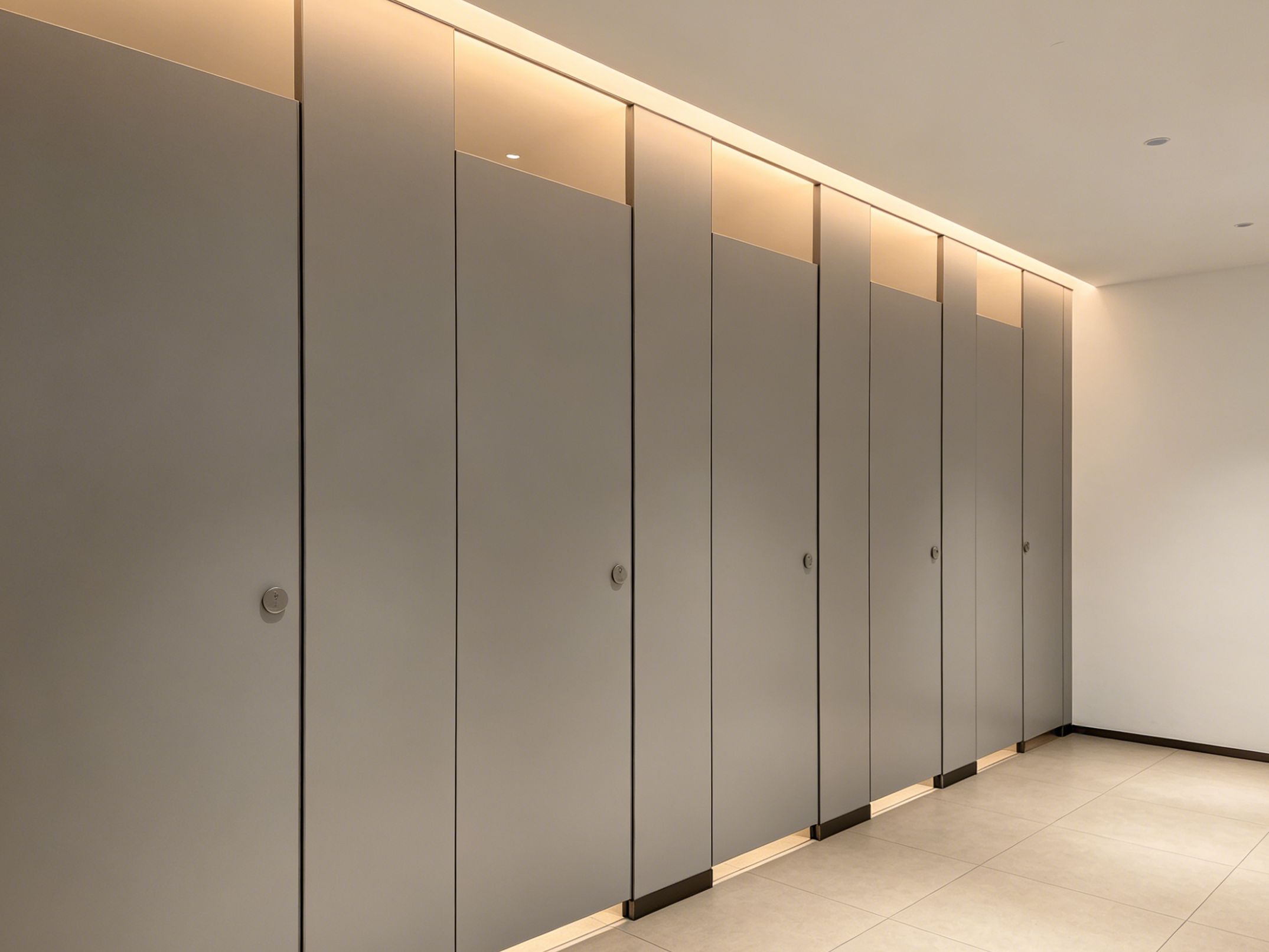
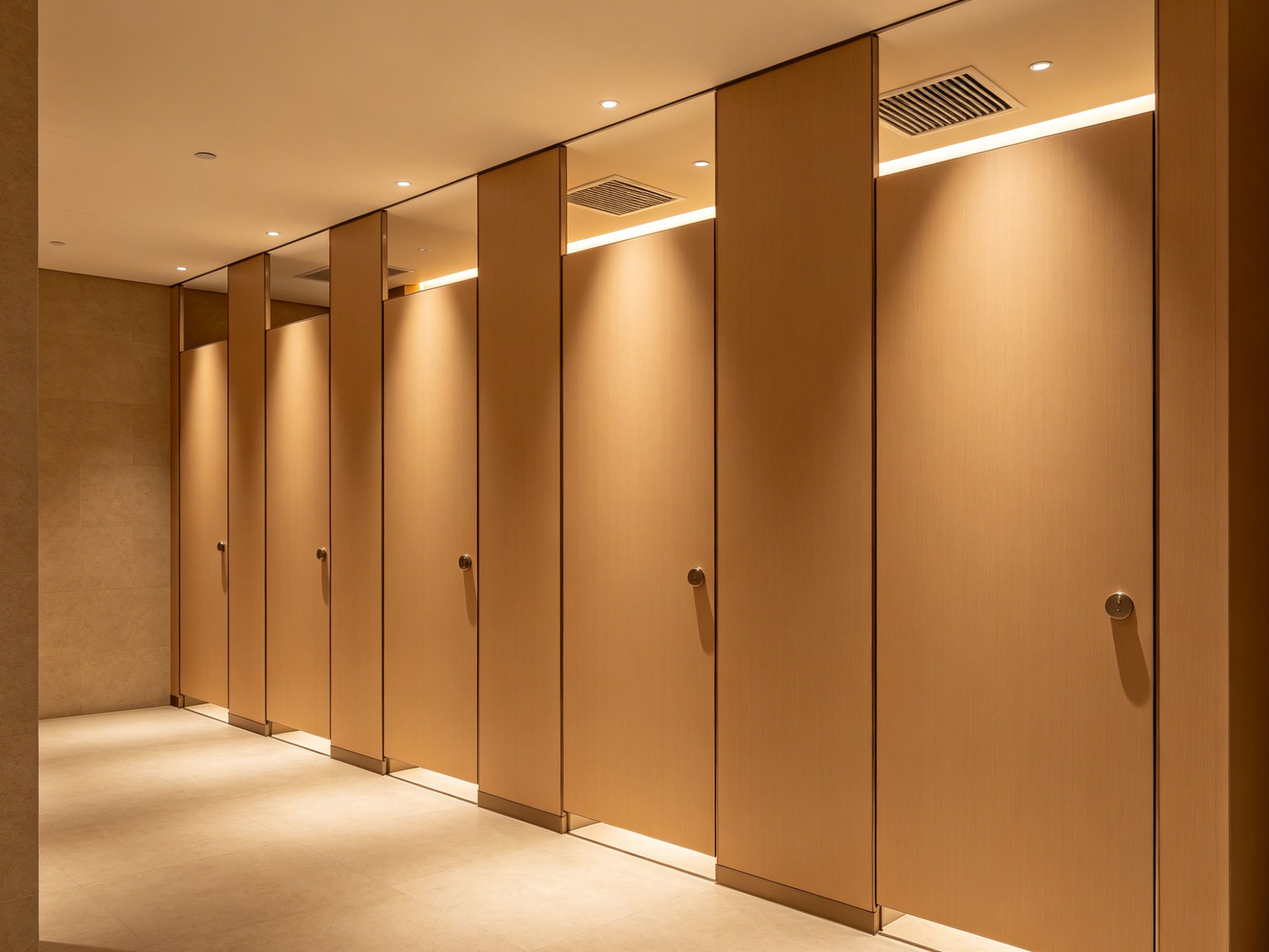
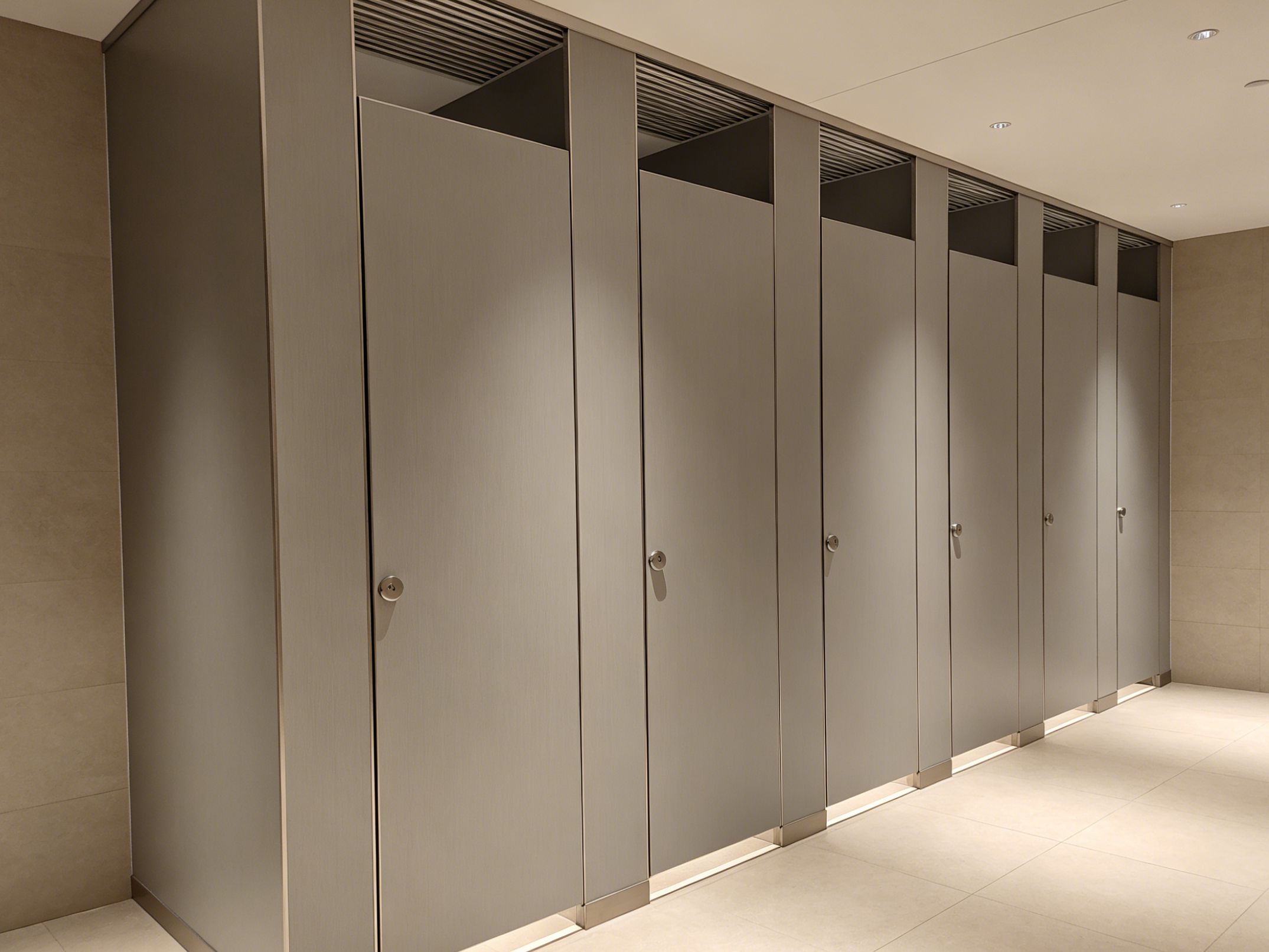
For projects requiring coordinated commercial interior products, HPL toilet partitions can also be specified alongside HPL lockers.
Frequently Asked Questions
What should I check when buying HPL lockers?
Check panel construction, HPL surface quality, thickness, edge treatment, hardware, locks, and moisture resistance.
Are HPL lockers suitable for the Philippines climate?
Yes. Moisture-resistant HPL locker systems are suitable for humid commercial environments in the Philippines.
Does thicker HPL always mean better quality?
Not necessarily. The appropriate specification depends on locker size, structure, application, and expected usage.
Can HPL locker materials be customized?
Yes. Manufacturers can provide different colors, finishes, dimensions, configurations, and hardware options according to project requirements.
Conclusion
Understanding HPL locker materials helps commercial buyers make better purchasing decisions and avoid focusing only on the lowest quotation.
For Philippines projects, moisture resistance, structural durability, surface quality, hardware, and customization should all be evaluated together.
By confirming material specifications with an experienced manufacturer before production, contractors, architects, and distributors can achieve more reliable HPL locker solutions for long-term commercial use.
Project Planning & Engineering Support
Need help selecting HPL locker materials for your Philippines project? Our engineers can review your drawings, BOQ, and specifications before production.
- CAD & Specification Review: mrsalufcs@gmail.com
- Technical Consultation: +86 13413241494
HPL Lockers vs Phenolic Lockers for Philippines Projects
Hotel HPL Lockers for Philippines Hospitality Projects