HPL Toilet Partitions for Airports and Transportation Hubs in Malaysia: Durability and Specification Guide

HPL Toilet Partitions for Airports and Transportation Hubs in Malaysia
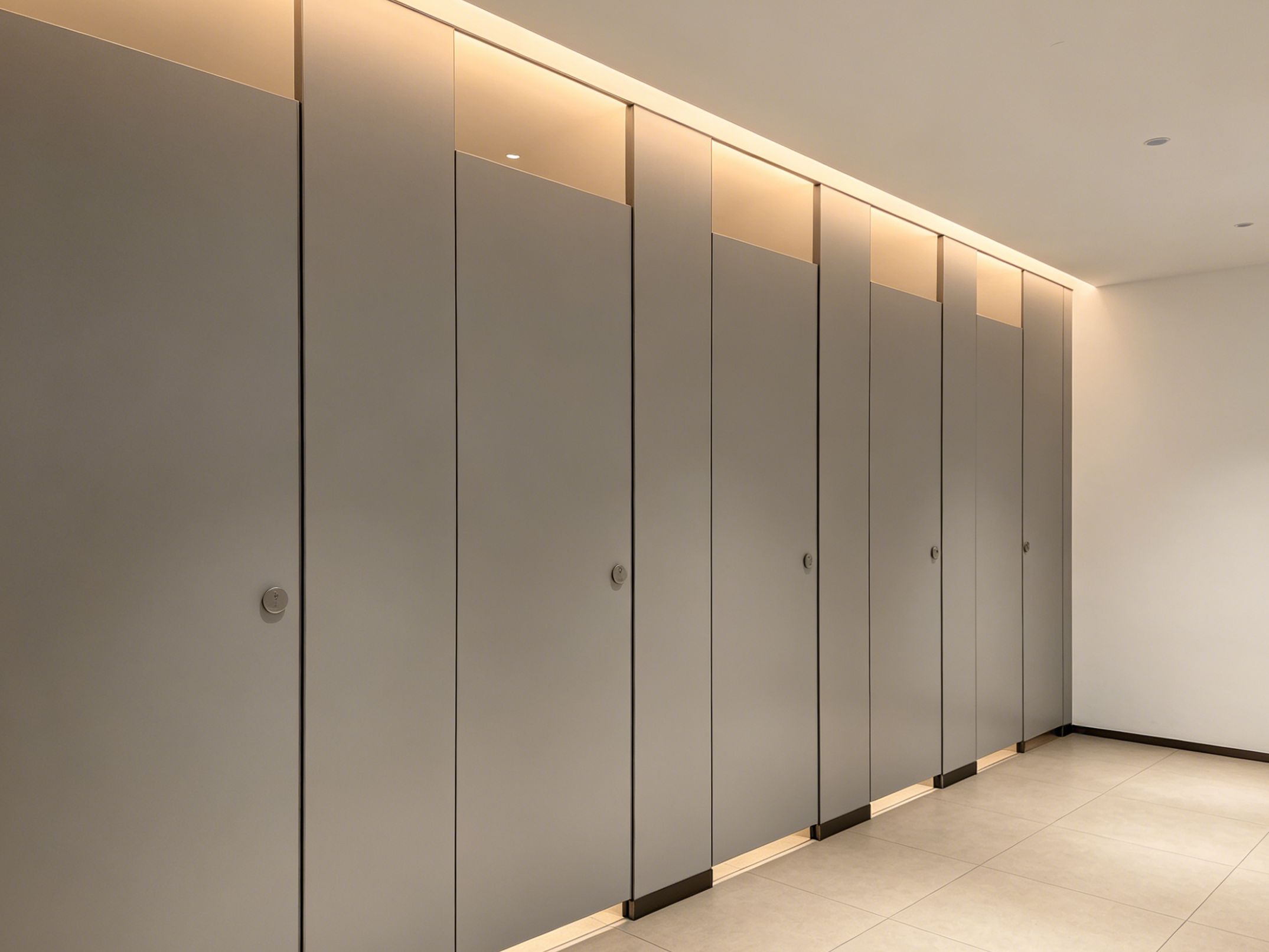
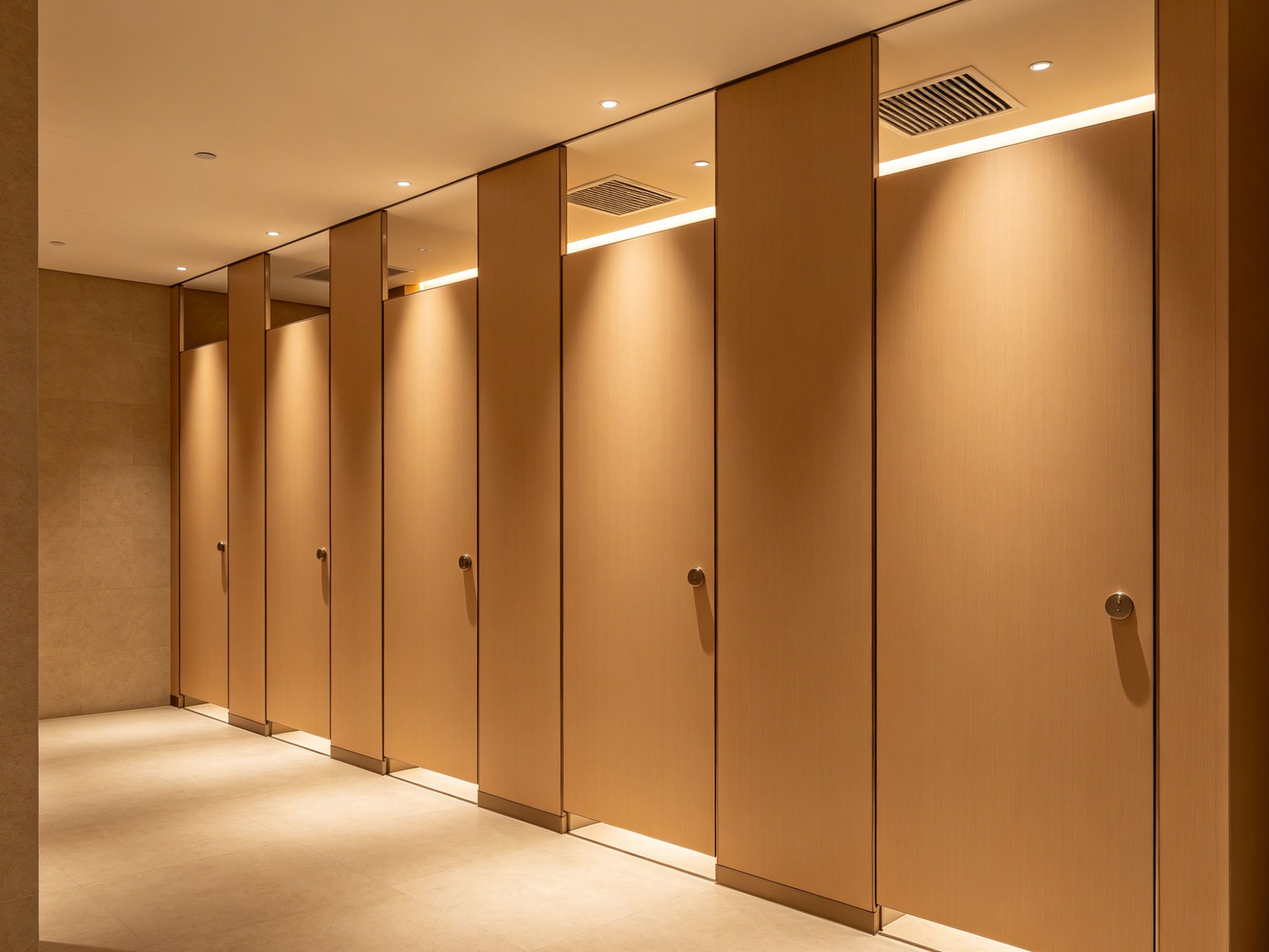
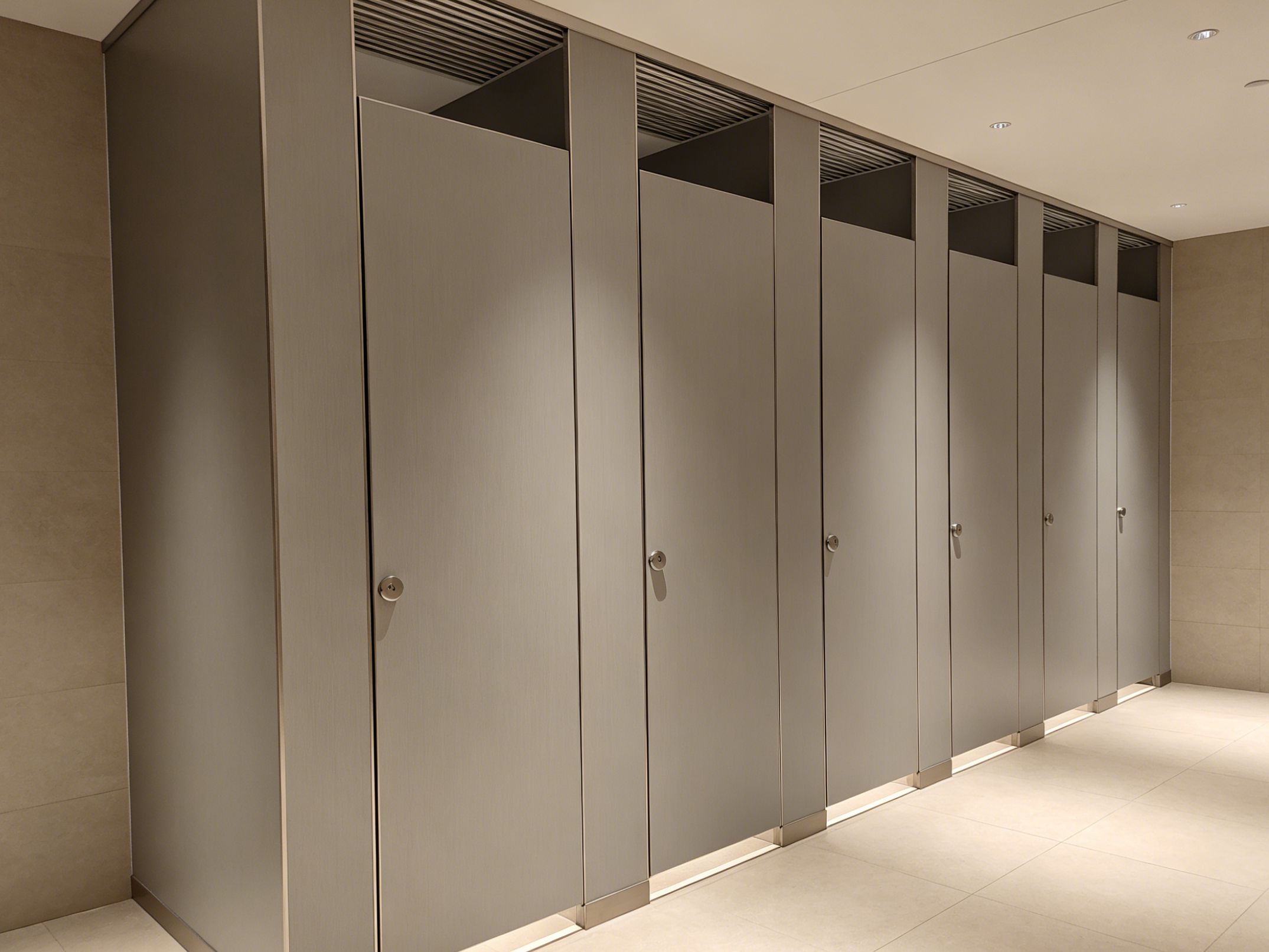
Airports and transportation hubs have some of the most demanding restroom environments in commercial infrastructure. Selecting suitable HPL toilet partitions requires consideration of continuous visitor traffic, frequent cleaning, moisture exposure, impact, privacy, hardware reliability, and rapid maintenance.
For contractors, architects, and project developers, the partition system needs to support both heavy operational requirements and a professional public-facing appearance. Proper specification before production can also reduce installation rework and future maintenance costs.
This guide explains how to evaluate restroom partition systems for airport and transportation hub projects in Malaysia.
Why Transportation Facilities Need High-Performance Partition Systems
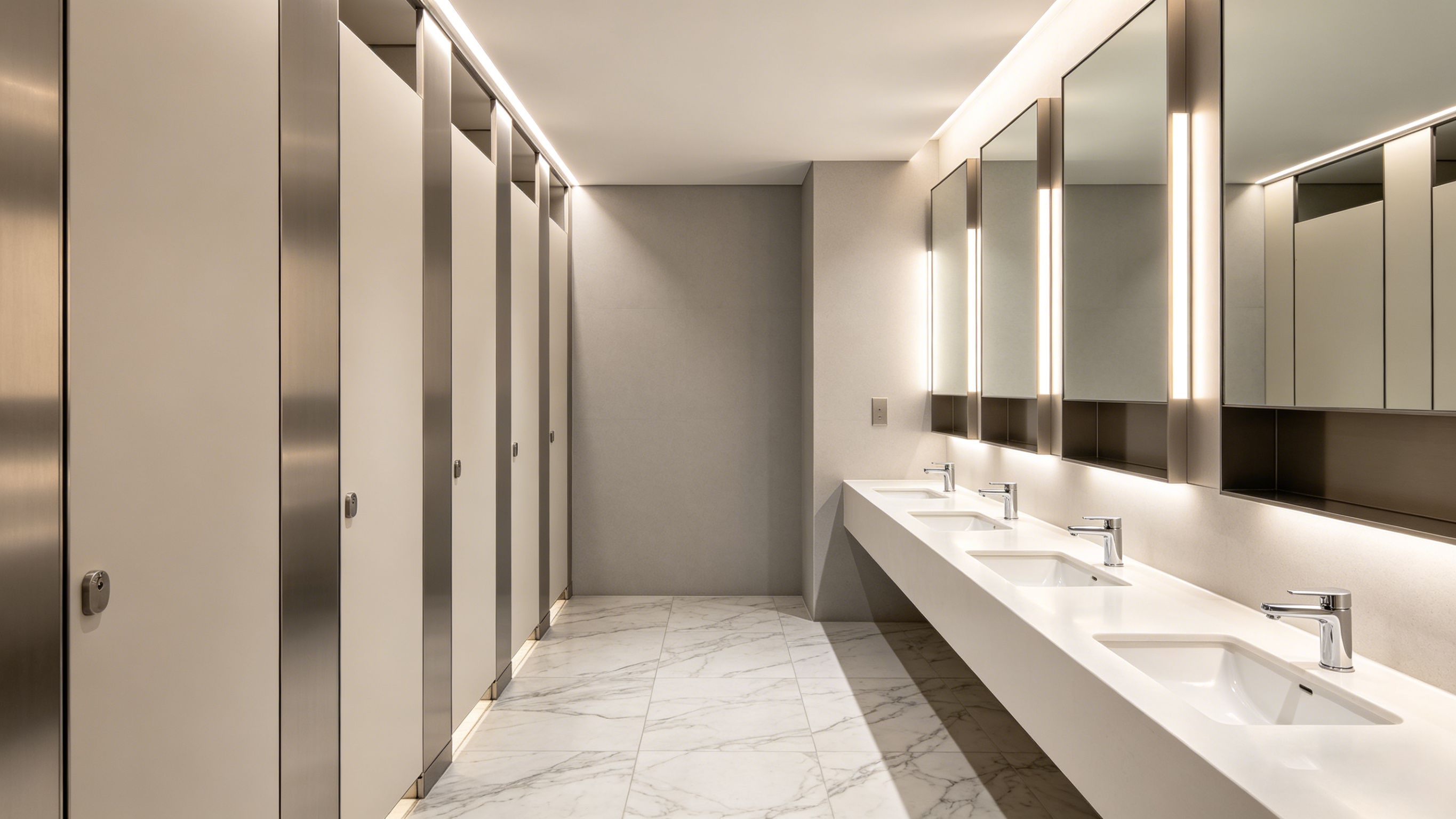
Airports, railway stations, bus terminals, and other transportation facilities can receive large numbers of users throughout the day.
Restroom doors, locks, hinges, panels, and support components may be operated continuously. Cleaning teams may also perform multiple cleaning cycles each day.
This combination of traffic and maintenance requirements means the partition system should be selected according to actual operating conditions.
1. Impact-Resistant Structural Durability
High visitor traffic creates greater demand on restroom partitions.
Doors may be repeatedly opened and closed, while panels can experience accidental impact from luggage, cleaning equipment, or users.
A suitable system should therefore provide appropriate structural rigidity and impact resistance for the application. Supporting hardware should also be selected according to expected traffic.
For large transportation projects, consistent production quality is important because the same specifications may be repeated across multiple restroom areas.
2. Moisture Management in Public Restrooms
Public transportation facilities require frequent cleaning and may experience significant water exposure.
Project teams should pay attention to:
- Panel edges
- Floor connections
- Support feet
- Hardware
- Drainage
- Ventilation
- Areas exposed to water
Standing water and plumbing leaks should be addressed promptly.
Good drainage and regular maintenance can help reduce unnecessary moisture exposure throughout the service life of the restroom system.
3. Easy Cleaning and Maintenance
Airports and transportation hubs need efficient cleaning procedures because restrooms may remain in continuous operation throughout the day.
The partition surface should be compatible with the facility's cleaning requirements. Maintenance teams should follow manufacturer recommendations for cleaning agents and procedures.
Cleaning inspections can also be combined with basic hardware checks to identify loose or damaged components.
HPL Toilet Partitions for Different Transportation Facilities
Different transportation environments can have different usage patterns.
Airport Restrooms
Airport facilities can experience continuous international and domestic passenger traffic. Privacy, durability, appearance, and rapid maintenance are important considerations.
Railway Stations
Station restrooms may experience concentrated traffic around arrival and departure periods. Durable hardware and easy maintenance can help support operational efficiency.
Bus Terminals
Bus terminal facilities may require practical and robust specifications that can withstand frequent daily use.
Staff Facilities
Staff restrooms may use standardized layouts and specifications to simplify procurement and maintenance.
The final specification should be based on the actual traffic and environmental conditions of each facility.
4. Privacy and User Experience
Public transportation restrooms serve a wide range of users.
Partition height, cubicle dimensions, door configuration, and sightlines should therefore be considered carefully during the design process.
Project teams should confirm:
- Cubicle dimensions
- Partition height
- Door dimensions
- Door opening direction
- Circulation
- Fixture locations
- Accessible facilities
- Wall conditions
- Floor conditions
Early layout coordination can help prevent conflicts during installation.
5. Hardware Selection for High-Traffic Facilities
Hardware can experience extremely frequent operation in transportation facilities.
The specification may include:
- Hinges
- Privacy locks
- Handles
- Indicator bolts
- Brackets
- Support feet
- Floor fixings
- Wall fixings
The hardware should be compatible with the panel structure and door configuration.
For large facilities, using standardized hardware can simplify replacement and maintenance across multiple restroom locations.
6. Design and Finish for Public Infrastructure
Although durability is essential, public transportation facilities also need a professional interior appearance.
Architects may select colors and finishes that coordinate with:
- Facility branding
- Floor finishes
- Wall materials
- Lighting
- Sanitary fixtures
- Signage
- Other restroom accessories
For customized projects, physical sample approval can help establish a consistent appearance before mass production.
HPL Toilet Partitions Layout and CAD Coordination
Transportation projects can involve complex layouts and multiple restroom zones.
Before production, the partition system should be coordinated with architectural and building service drawings.
Important information includes:
- Cubicle quantities
- Panel dimensions
- Door positions
- Door opening direction
- Fixture locations
- Circulation
- Accessible restroom layouts
- Wall conditions
- Floor conditions
CAD review can identify potential conflicts before customized panels are manufactured.
Installation Efficiency for Airport and Station Projects
Transportation facilities often operate according to strict construction and opening schedules.
Restroom installation may need to coordinate with other fit-out trades and final facility commissioning.
Accurate factory processing can reduce site cutting, drilling, and modification.
Contractors can further improve installation efficiency by confirming:
- Latest approved drawings
- Final quantities
- Hardware specifications
- Site dimensions
- Installation sequence
- Packaging and component labeling
These steps can reduce avoidable rework.
Maintenance Planning for Transportation Facilities
Preventive maintenance is particularly important where restroom downtime can affect a large number of users.
Maintenance teams should periodically inspect:
- Door alignment
- Hinges
- Locks
- Handles
- Brackets
- Support feet
- Panel edges
- Surface condition
- Drainage
- Signs of water exposure
Problems should be addressed as soon as they are identified.
For large transportation facilities, keeping replacement hardware available can reduce downtime when components need to be changed.
How to Reduce Lifecycle Costs
A low initial quotation does not necessarily produce the lowest total cost.
Project developers should consider:
- Product quality
- Hardware durability
- Installation labor
- Cleaning requirements
- Replacement components
- Maintenance frequency
- Production consistency
- Delivery reliability
A properly coordinated partition system can help reduce avoidable repair and reinstallation costs.
Procurement Checklist for Transportation Projects
Before approving the order, project teams should verify:
Product
- Panel structure
- Thickness
- Dimensions
- Surface finish
- Edge treatment
Hardware
- Hinges
- Locks
- Handles
- Brackets
- Support feet
- Fixings
Engineering
- CAD drawings
- BOQ
- Site measurements
- Fixture coordination
- Accessibility requirements
Production
- Sample approval
- Quality inspection
- Production schedule
- Packaging
- Quantity verification
Delivery
- Shipping schedule
- Container loading
- Product identification
- Delivery coordination
A complete procurement process reduces communication gaps between the project team and manufacturer.
How to Choose an HPL Toilet Partitions Manufacturer
Transportation projects usually require suppliers with strong production and project coordination capabilities.
Contractors should evaluate:
- Manufacturing capacity
- Product consistency
- Customization capability
- CAD review
- Hardware supply
- Quality control
- Packaging
- Production lead time
- Export experience
- Technical support
A supplier capable of coordinating the complete system can simplify procurement for large public infrastructure projects.
Common Procurement Mistakes
Selecting Only on Unit Price
The lowest panel price may not include equivalent hardware, customization, packaging, or technical support.
Ignoring Traffic Levels
Public transportation restrooms require specifications suitable for intensive daily use.
Ordering Before Final Drawing Approval
Customized panels should not be manufactured from incomplete or outdated information.
Separating Panel and Hardware Selection
The complete system should be reviewed for compatibility before production.
Underestimating Maintenance
High-traffic facilities require planned inspection and replacement procedures.
People Also Ask (FAQ)
Q1: Are HPL toilet partitions suitable for airports?
They can be specified for airport restroom applications when the selected system is appropriate for the project's traffic, cleaning, moisture, hardware, and maintenance requirements.
Q2: What makes transportation restroom partitions different?
Airports and transportation hubs typically experience high visitor volumes, frequent cleaning, and continuous door operation, making durability and maintenance efficiency important.
Q3: Can airport toilet partitions be customized?
Yes. Customized dimensions, colors, finishes, layouts, doors, and hardware can be produced according to approved project requirements.
Q4: What hardware is important for high-traffic public restrooms?
Hinges, privacy locks, handles, brackets, support feet, and fixing components should be selected according to the expected usage level and panel configuration.
Q5: How can contractors reduce restroom installation delays?
Accurate CAD coordination, final site measurements, approved samples, compatible hardware, factory processing, and clear component labeling can reduce unnecessary site modifications.
Project Planning & Engineering Support
Successful restroom partition projects begin with accurate planning. If you're developing specifications for airports, transportation hubs, commercial office buildings, or other public facilities in Malaysia, our engineers can help review your layouts and recommend suitable HPL toilet partition solutions before production begins.
- CAD & Specification Review: mrsalufcs@gmail.com (Submit your drawings or BOQ for engineering verification.)
- Technical Consultation: +86 15207652902 (Consult our team on partition layouts, hardware selection, and project coordination.)
HPL Toilet Partitions for Universities and Colleges in Malaysia: Durability, Privacy and Maintenance Guide
HPL Toilet Partitions for Gyms and Fitness Centers in Malaysia: Durability and Maintenance Guide